
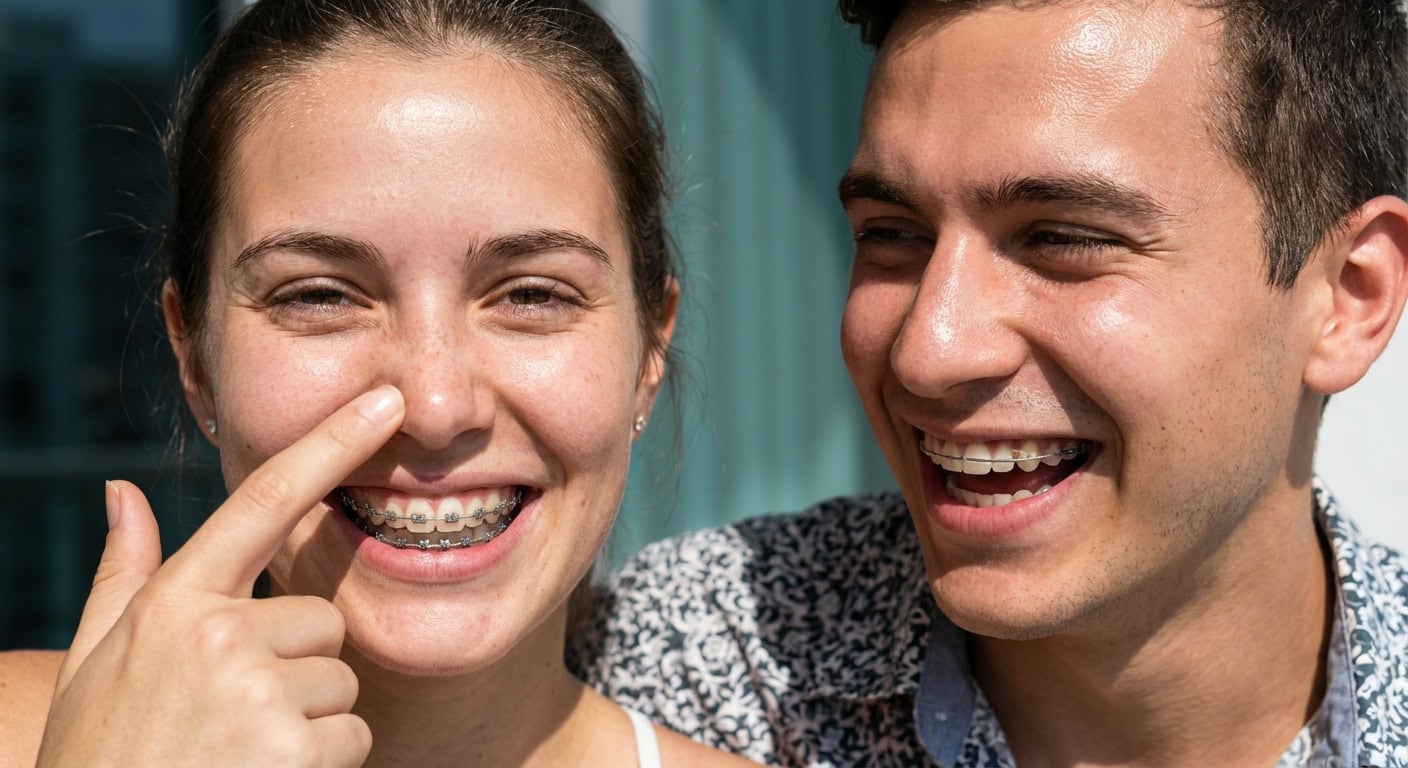
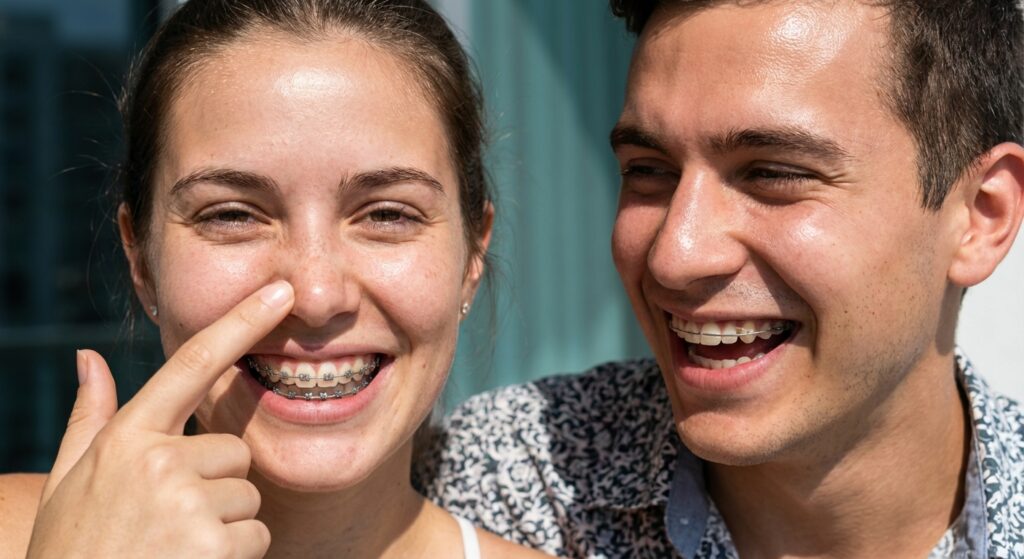
Getting braces is a big step toward a healthier, straighter smile. But once the brackets are in place and the wires are tightened, many patients quickly discover that life with braces comes with new routines, temporary discomforts, and a few lifestyle changes.
This guide walks you through the realistic day-to-day experience of wearing braces — so you’ll know exactly what to expect, how to stay on track, and how to make the process as smooth as possible.
Initial Adjustment — The First Few Days
The first few days after getting braces are often the most challenging. Your mouth is adjusting to a completely new structure, and it’s normal to experience soreness, tightness, or pressure on your teeth.
This discomfort usually lasts a few days to a week and can often be managed with over-the-counter pain relievers, orthodontic wax, and a soft food diet.
What to expect:
- Soreness when biting or chewing
- Irritation of the cheeks, lips, or tongue
- Difficulty speaking clearly (temporary)
- A learning curve with brushing and flossing
Don’t worry — these symptoms improve quickly as your mouth adapts to the new appliance.
Eating with Braces — What Changes?
Food is one of the biggest adjustments with braces. Certain items can damage your brackets or wires, and sticky, hard, or crunchy foods are best avoided during treatment.
Soft, easy-to-chew meals become staples early on, especially during the adjustment period after each tightening.
Foods to avoid with braces:
- Hard candies and popcorn kernels
- Sticky items like caramel or gum
- Crunchy snacks like chips or pretzels
- Whole apples or raw carrots (unless cut into small pieces)
Braces-friendly foods:
- Mashed potatoes, pasta, and soups
- Yogurt, smoothies, and scrambled eggs
- Cooked vegetables and soft fruits
- Rice, oatmeal, and ground meats
Oral Hygiene — A Whole New Routine
Braces add a layer of complexity to your oral care. Food can easily get trapped around the brackets and wires, and plaque buildup becomes a greater concern.
That’s why brushing and flossing become more important than ever during treatment.
Daily oral hygiene with braces includes:
- Brushing after every meal using a soft-bristled toothbrush
- Using an interdental brush or proxy brush to clean around brackets
- Flossing daily with a floss threader or orthodontic flosser
- Rinsing with fluoride mouthwash to prevent cavities and white spots
Some patients also use water flossers or electric toothbrushes for added ease and effectiveness. Staying consistent with oral care can significantly improve your treatment outcome and overall dental health.
Speaking and Confidence
Braces may temporarily affect your speech, especially if you have new attachments like expanders or elastics. Most people adjust in just a few days.
For teens and adults alike, there may be a temporary dip in confidence when smiling or speaking in public. It’s totally normal. But over time, you’ll grow more comfortable with your braces — and keep in mind, the people around you are often focused on your words, not your wires.
If you’re self-conscious, clear braces or ceramic options are often more subtle alternatives.
What Happens at Ortho Appointments?
Every 4 to 6 weeks, you’ll return for a check-in and adjustment. These visits are critical for monitoring your progress, tightening wires, and making any necessary modifications.
Appointments are typically quick and straightforward, though some adjustments may bring back mild soreness afterward.
At these check-ins, your orthodontist may:
- Replace elastics or wires
- Add new components like rubber bands or springs
- Review your hygiene progress and provide tips
- Make adjustments to your treatment timeline
It’s important to attend all scheduled appointments to avoid delays in your treatment progress.
Managing Discomfort Between Visits
It’s not uncommon to experience minor issues during treatment, like loose brackets or poking wires. Knowing how to respond can help you avoid extra trips to the office or unnecessary discomfort.
Common minor issues and solutions:
- Poking wire — Use orthodontic wax to cover the end or clip it with sanitized nail clippers.
- Broken bracket — Call your orthodontist; it may not require an immediate fix unless it’s causing discomfort.
- Sore spots — Rinse with warm salt water and use wax to protect irritated areas.
- Lost rubber band or separator — Let your orthodontist know; they’ll decide if it needs to be replaced before your next visit.
Staying calm and prepared is key. Most problems are easy to manage with a little patience and the right tools.
Social Situations and Life Events
Wearing braces doesn’t mean you have to pause your life. You can still enjoy sports, music, dances, vacations, and everything in between.
If you play contact sports, a custom orthodontic mouthguard is a must to protect your teeth and braces. For musicians who play wind instruments, there may be a short adjustment period, but most adapt quickly.
Life events like weddings, school photos, or interviews are still yours to enjoy — your braces are just a temporary part of the journey to your best smile.
Patience and Progress
The total time you’ll wear braces varies depending on your case. Some patients need just 12 months, while others may require up to 24 or even 30 months. Progress may feel slow at times, but each small movement is part of a carefully designed plan.
Taking photos every few weeks can help you notice improvements that aren’t always obvious day-to-day. And keeping your end goal in mind — a healthy, confident smile — makes the entire process more rewarding.
What Happens After Braces?
When your braces come off, you’ll likely receive a retainer to wear. This step is crucial to prevent your teeth from shifting back.
Your orthodontist will give you detailed instructions on how often to wear your retainer. In the beginning, it’s usually full-time, then it gradually shifts to nights only. Retainers are a long-term investment in the smile you worked hard to achieve.
Ready to Begin Your Braces Journey in Miramar?
Braces are a commitment — but one that pays off with a lifetime of confidence, better health, and a smile you’ll love.
At SMILE-FX® Orthodontic & Clear Aligner Studio in Miramar, FL, we guide you through every step of your braces journey with personalized care, modern technology, and a compassionate team focused on your comfort and results.
Book your FREE 3D scan and consultation today to see if braces are right for you — and what your daily life might look like with them.