
The Truth About Retainers After Braces: Why Your Smile Can Vanish Without One
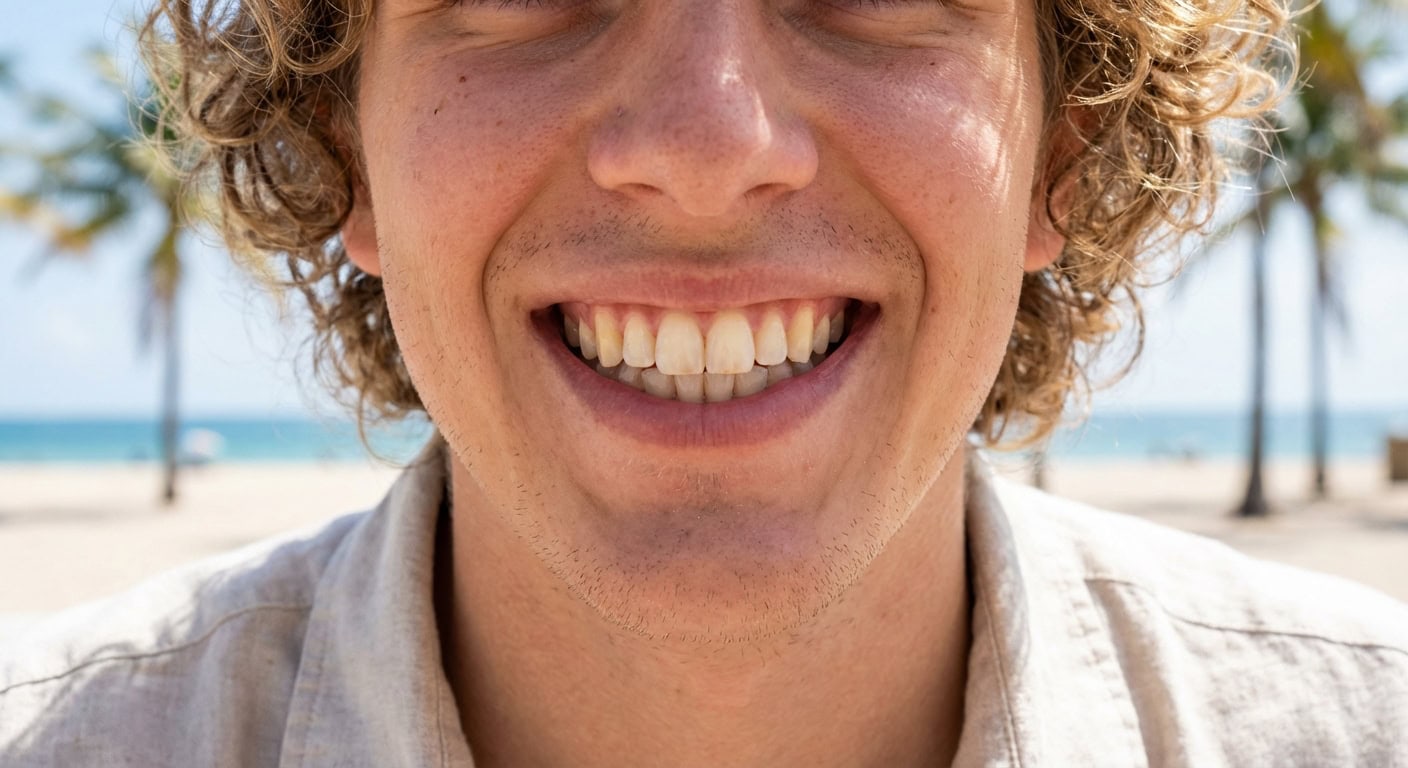
You've paid thousands of dollars, worn braces for years, and finally got them off. The orthodontist takes the last wire away, you look in the mirror, and boom—perfect smile. You think you're done. You think the work is over. You couldn't be more wrong.
This is where most people mess up badly. The moment those braces come off is actually when the real game begins, not when it ends. Your teeth want to move back to where they started. It's not some opinion I'm throwing at you—it's biology. Teeth are held in place by bone and gum tissue, and both of those are still healing after years of being pushed around by braces.
What Happens Inside Your Mouth After Braces Come Off
Your orthodontist spends months and months moving your teeth millimeter by millimeter. The bone around those teeth gets softer and more flexible during this process. Think of it like moving furniture in a room repeatedly. The carpet gets worn down, and there's space where the furniture used to be. Once you stop moving the furniture, the carpet doesn't magically stay firm. It needs time to settle back into shape.
The same thing happens in your mouth. After braces are removed, your teeth are sitting in bone that's still adjusting. That bone needs between 3 to 6 months just to start hardening back up. During that time, if you don't wear a retainer, your teeth will start drifting back to their old positions. I've seen people watch their entire smile shift in just a few months.
Your gums are healing too. They've been dealing with brackets and wires rubbing against them for years. They need support to stay where they should be. Without a retainer, your gums lose that support, and your teeth start moving in ways you won't like.
Why Your Teeth Want to Move Back So Bad
Your teeth have a memory. They spent years, maybe decades, in one position. Even after braces move them to a new spot, your body wants to bring them back. Your periodontal ligament, which is basically the rubber band holding your teeth in place, remembers where your teeth used to be. It's constantly trying to pull them back.
If you're not wearing a retainer, you're fighting against millions of years of evolution. Your body thinks your old bite was the right one. It's going to work overtime to get back there.
I've talked to people who skipped the retainer for just two weeks. Two weeks. And they already noticed movement. Some of them ended up needing another round of braces or clear aligners just to fix what came back. That's expensive. That's frustrating. That's completely preventable.
The Two Types of Retainers You Need to Know About
After your braces come off, your orthodontist will probably give you two kinds of retainers: a fixed retainer and a removable one.
The fixed retainer is basically a thin wire bonded to the back of your teeth. It's permanent. You can't take it off. That wire is your insurance policy. It's holding your teeth in place 24/7. Some people freak out about having a permanent retainer, but honestly, it's doing half the job for you without you having to think about it.
The removable retainer comes in a couple styles. You might get a Hawley retainer, which looks like a traditional retainer with a plastic and wire design. Or you might get a clear retainer that looks kind of like a thin aligner. Both work, but they need you to actually use them.
Most people need to wear their removable retainer all day and all night for at least the first year. Then you can usually switch to wearing it just at night for the rest of your life. Yeah, I said for the rest of your life. Your teeth never stop trying to move back.
What Dentists Wish You Knew About Retainer Care
Your retainer is not some optional accessory. It's as important as keeping your teeth clean. Here's what people get wrong:
They clean their retainer wrong and damage it. Use lukewarm water and a soft toothbrush. Don't put it in boiling water or use hot water from the dishwasher. Heat warps retainers. I've seen people destroy a $400 retainer because they thought hot water would sterilize it better.
They leave their retainer in places where it gets lost or broken. Your retainer sitting on a napkin at dinner? Gone. Your retainer in a backpack pocket getting sat on? Destroyed. Get a retainer case and actually use it. Keep it somewhere safe.
They think they can skip wearing it for a few days without consequences. Even a week off can let your teeth start shifting. Your teeth don't take vacations.
They wait too long to get it fixed or replaced. If your retainer cracks, breaks, or stops fitting right, get it replaced fast. Don't try to tough it out with a broken retainer. Your teeth are moving in that gap.
Real Talk About Retainer Costs and Insurance
A lot of people ask if insurance covers a replacement retainer. Sometimes it does, sometimes it doesn't. It depends on your plan. What I know for sure is that a replacement retainer costs way less than getting your teeth fixed again with new braces or aligners. We're talking $300 to $500 for a replacement versus $3,000 to $8,000 for another round of treatment.
Some practices offer 0% APR financing for retainers if cost is the issue. There are options. Don't let money stop you from protecting your smile.
The Habits You Need to Build Right Now
Retainer success isn't complicated. You just need systems:
Set a phone reminder for the first month to put your retainer in. After 30 days, it becomes automatic.
Keep your retainer case in the same place every single time. By your bed. On your nightstand. Pick a spot and stick with it.
Clean your retainer when you clean your teeth. Make it part of your routine, not an extra step.
If you're traveling, pack your retainer case before anything else. Before clothes. Before your phone charger. Seriously.
Get a backup retainer made while your first one is still in good shape. You'll never regret having a spare.
When You Need Professional Help for Your Retainer
Some retainer issues need a professional. If your retainer doesn't fit right anymore, that means your teeth are moving. Get it checked out immediately. If your fixed retainer comes loose or breaks, your teeth will start shifting fast. Book an appointment right away.
A board certified orthodontist in South Florida can evaluate your retainer situation and figure out what you actually need. They can tell if your teeth are moving. They can fix issues before they become expensive problems.
Why Most People Fail at Retainer Wear
The reason people stop wearing retainers isn't laziness. It's usually one of these:
They think they're done with orthodontics and mentally move on. Nope. You're not done. You're just entering the maintenance phase.
They get uncomfortable with wearing something in their mouth again after a break. This passes. Give yourself two weeks to readjust.
They underestimate how fast teeth move. They skip a few nights, teeth shift a little, they freak out, and by then it's too late. Prevention is always easier than correction.
Nobody's checking on them anymore. When you wore braces, you had monthly appointments keeping you accountable. Now you're flying solo. You have to be your own boss on this one.
Long Term Retainer Strategy for Life
Here's the thing that nobody likes to hear but you need to know: you're wearing a retainer forever. Not just for a year. Forever.
Your teeth never stop trying to move. As you age, your bite changes slightly. Your jaw shifts a tiny bit. Your teeth drift naturally over time. A retainer keeps all that under control.
Most people wear their retainer every night for the rest of their life. Some people who had severe crowding or a really difficult bite need to wear theirs full time. Your orthodontist will tell you what your teeth specifically need.
The good news? After the first year, wearing a retainer at night becomes second nature. You put it in the same way you brush your teeth. It's just part of your routine.
Getting Help From the Right Orthodontist Near Me
If you're worried about your teeth after braces or if you're about to get yours off, you need to talk to someone who actually cares about long-term results. At SMILE-FX, our board certified orthodontists don't just put braces on and kick you out the door. We make sure you understand retainer protocol. We fit you properly. We give you realistic expectations about what comes next.
We've helped thousands of patients in South Florida maintain their smiles after treatment. We use cutting edge technology to make sure your retainer fits perfectly. We explain everything in plain English, not dental jargon.
If you're currently dealing with tooth movement after braces or you're about to finish your treatment, book a consultation with us. We can assess your situation and make sure you don't end up being one of those people who needs braces all over again.
Book your FREE 3D scan and VIP smile consultation here. Let's make sure your smile stays perfect for life. Whether you need traditional braces, Invisalign treatment, or just retainer guidance, we're here to help you get it right the first time. Your smile after braces depends on what you do next, so make it count.